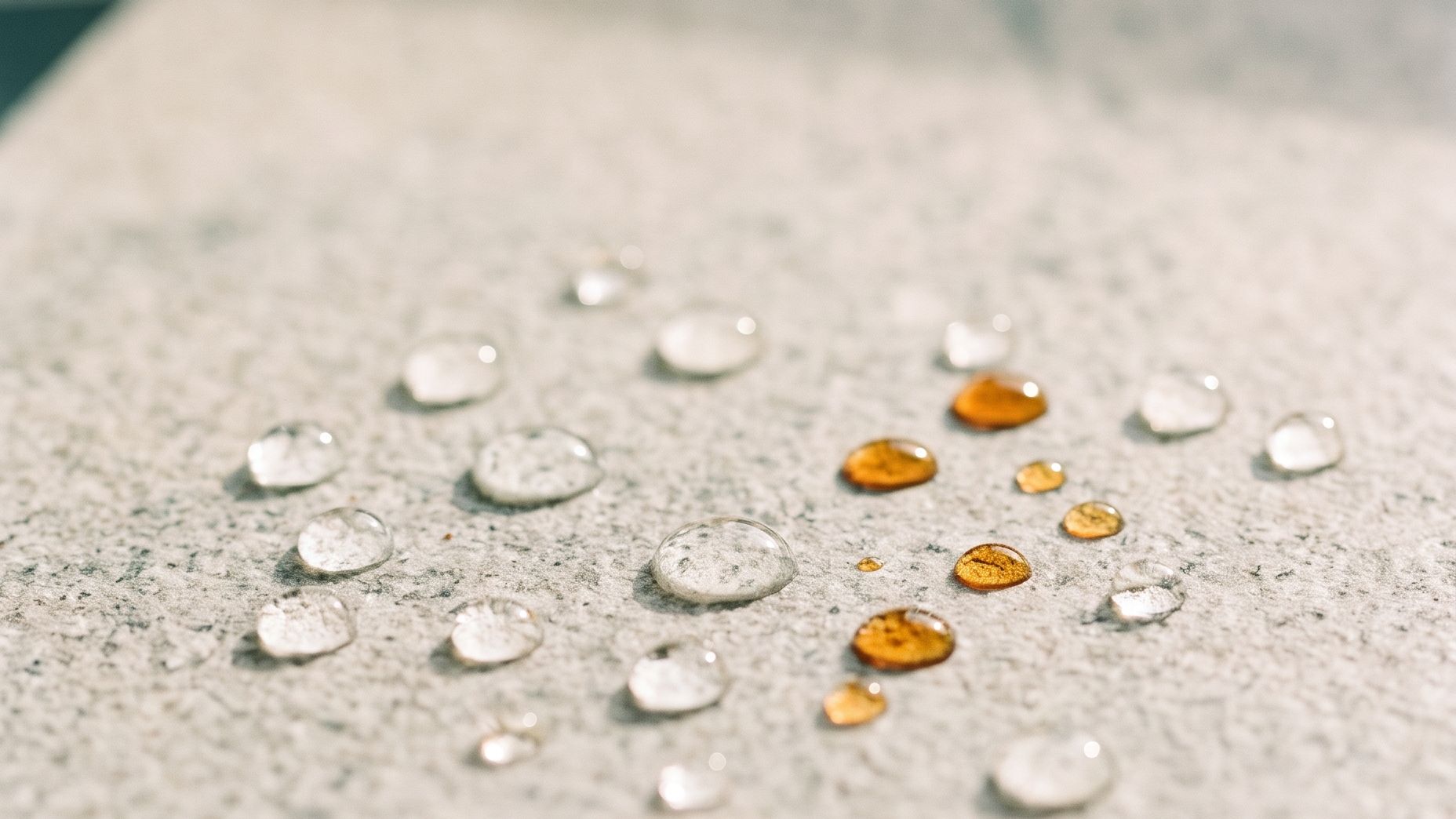
About XOP
Soaked into stone,
it protects.
It is not a type that lays down a thick film,
but a type that soaks into the material.
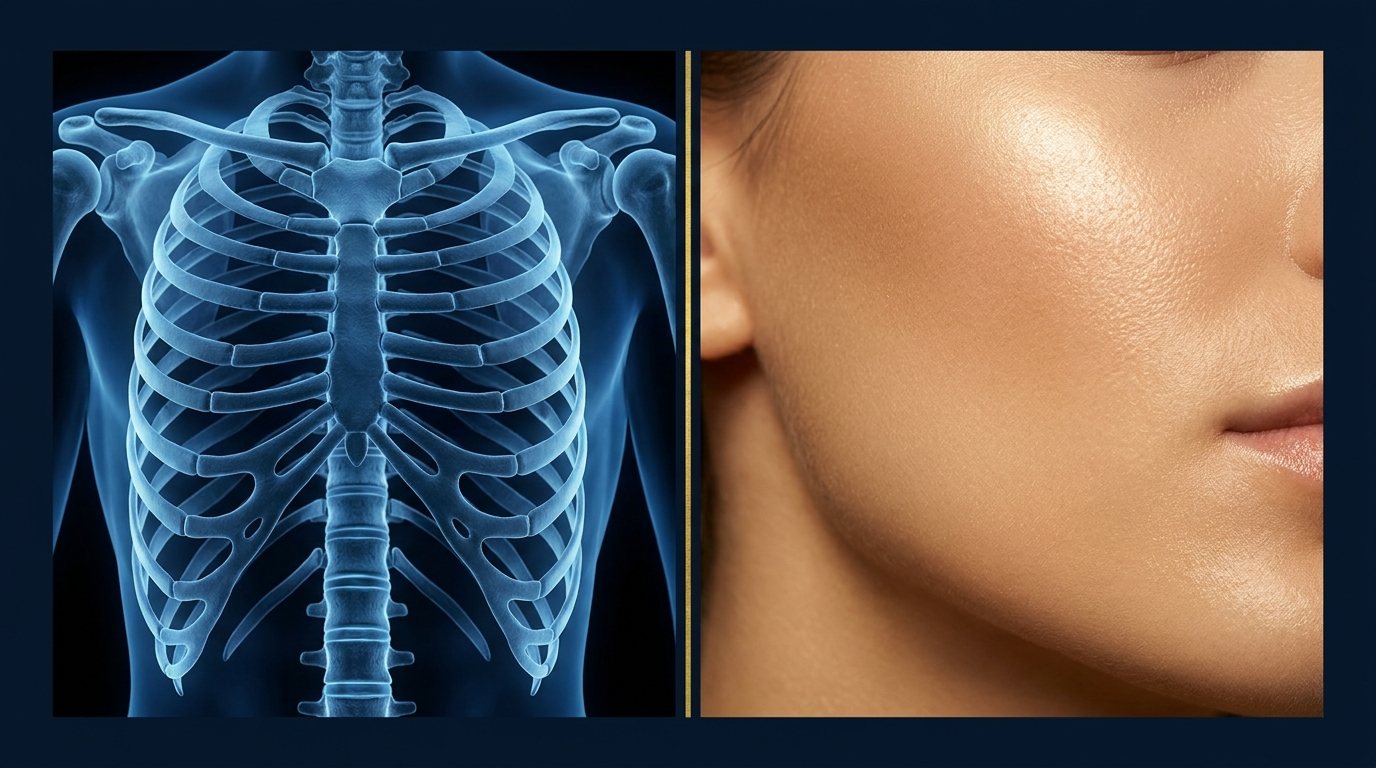
Bones and face
Maintaining a building is
like caring for skin.
You do not put on sunscreen to strengthen your bones. You put it on to protect how you look. A building is no different.
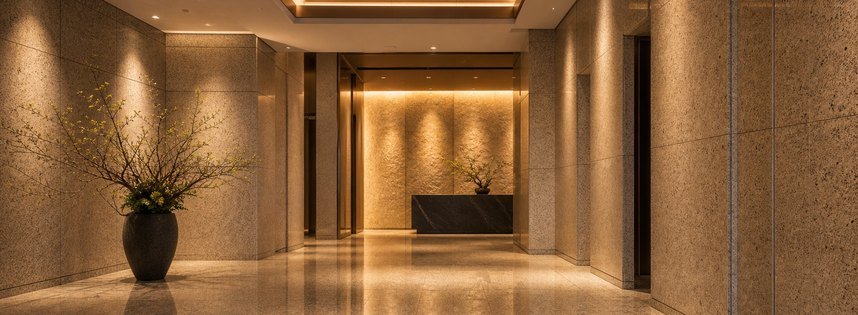
A misunderstanding
Harder is not
always better.
Conventional hardeners are a technology that soaks into stone or concrete, fills the gaps, and sets hard. The aim is structural strength and prevention of carbonation. It is not a bad technology. But is what you own a bridge?
Why it works
With nothing to hold on to,
dirt cannot stay.
Penetration
Soaks into the material
It is a type with less risk of peeling, as a paint film can. Its effect declines over the years.
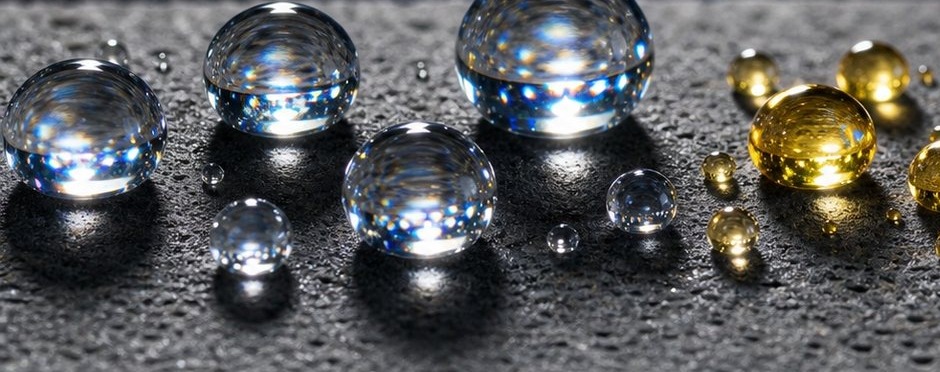
Water- and oil-repellent
Water and oil both bead up and run off
Like a Teflon-coated frying pan or a lotus leaf. Being fluorine-based, it repels oil as well as water.
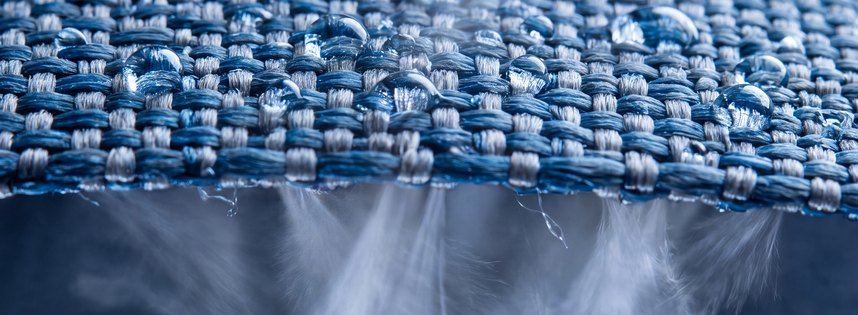
Vapor permeability
No film over the surface. The stone breathes.
It is not a type that seals the surface with a thick film.
How it differs from a film coating
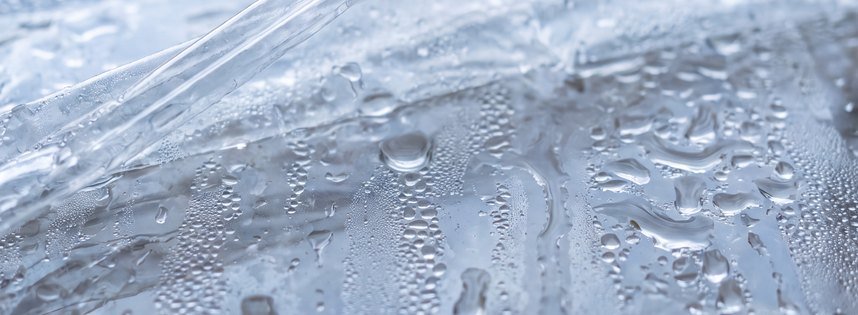
What happens if you stretch
plastic wrap over your face?
Ultraviolet light
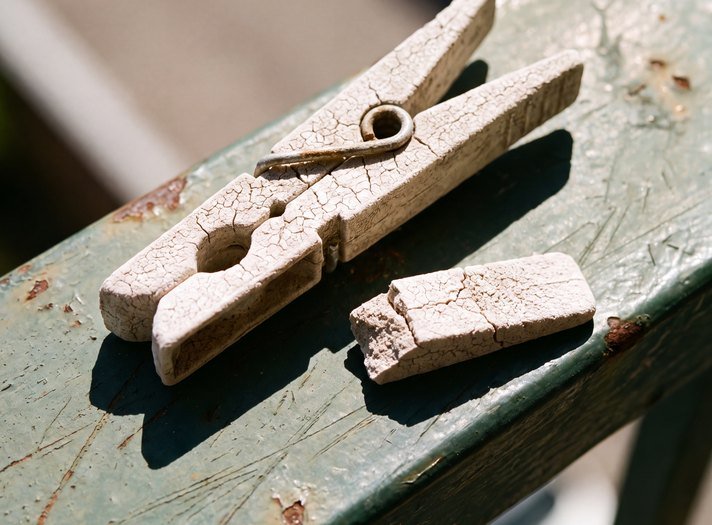
Even the sun that split a clothespin
finds these bonds hard to break.
Fluorine bonds are chemically stable and resistant to ultraviolet light.
Efflorescence
White powder
comes out along the paths water takes.
The white powder that appears on an exterior wall is material from the stone, dissolved in water, carried to the surface, and hardened there. Dissolving, being carried, hardening. When these three come together, it appears. Making the surface less likely to absorb water can make it appear less, but water coming from inside or from behind cannot be stopped by a surface treatment.
Not claims, but measurements
Results of tests
in accordance with JIS.
Water absorption test
Absorption ratio 0.05%
In accordance with JIS A 1404 / after 24 hours.
Water permeability test
Average 0.3 ml
In accordance with JIS A 6909 7.12, Method B.
Test values are results for the test specimens under the test conditions. The effect on an actual building varies with the material and the environment.
Frequently asked questions
What materials can it be used on?
It is for materials that absorb water. Stone (granite, marble, limestone, sandstone, terrazzo), tile (unglazed porcelain, stoneware, tile joints, terracotta), concrete, plaster finishes (Jolypate, shikkui lime plaster, diatomaceous earth), and so on. A water absorption rate of 0.1% or more is a guide, but as this changes with the surface finish and any previous treatment, we check on site before deciding.
How many years does the effect last?
How the effect lasts varies greatly with sunlight, how rain falls on the surface, foot traffic, and how the material wears. For that reason, we do not promise that it will last a certain number of years. You can check its condition through the work record and an annual inspection (paid).
Will the appearance change?
It is a type that is unlikely to change the look and texture much. However, some materials may take on a color closer to that of being slightly wet. Please check on a dry test area before full application.
Do you go straight to full application?
No. We carry out a test application, confirm the condition, and then proceed with full application.